|
|
  |
|
Makes Great Tasting Refreshing Water |
 |
|
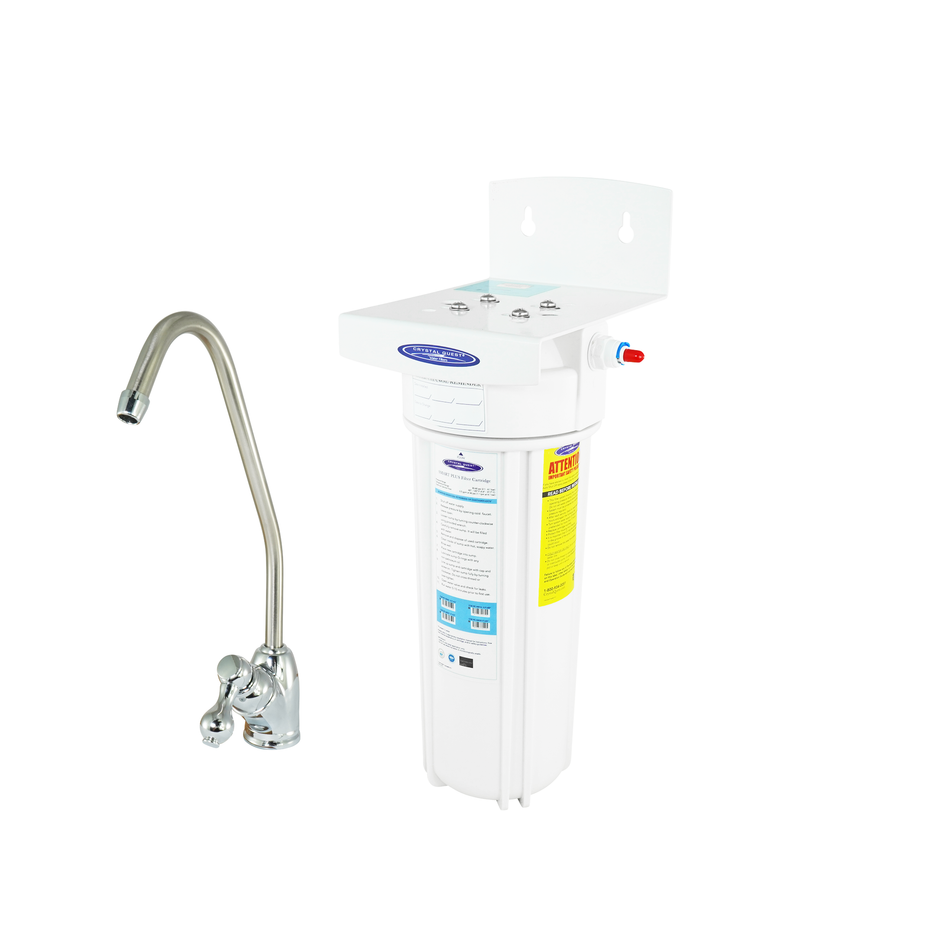
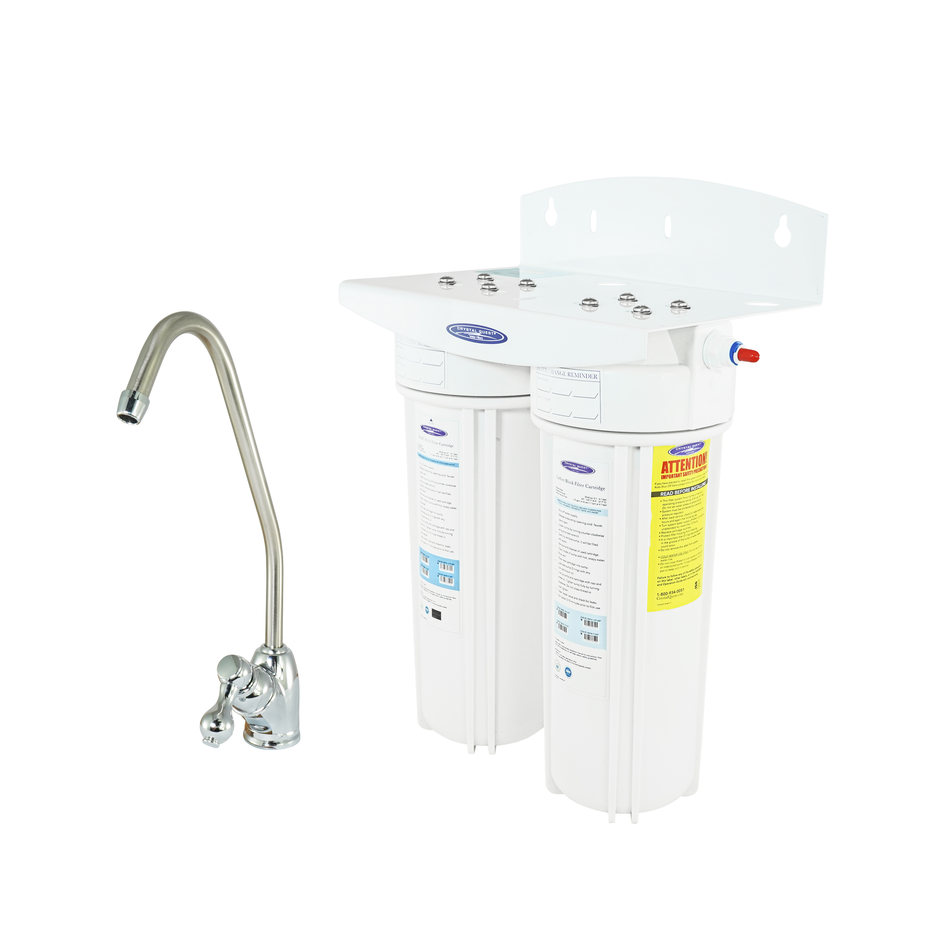
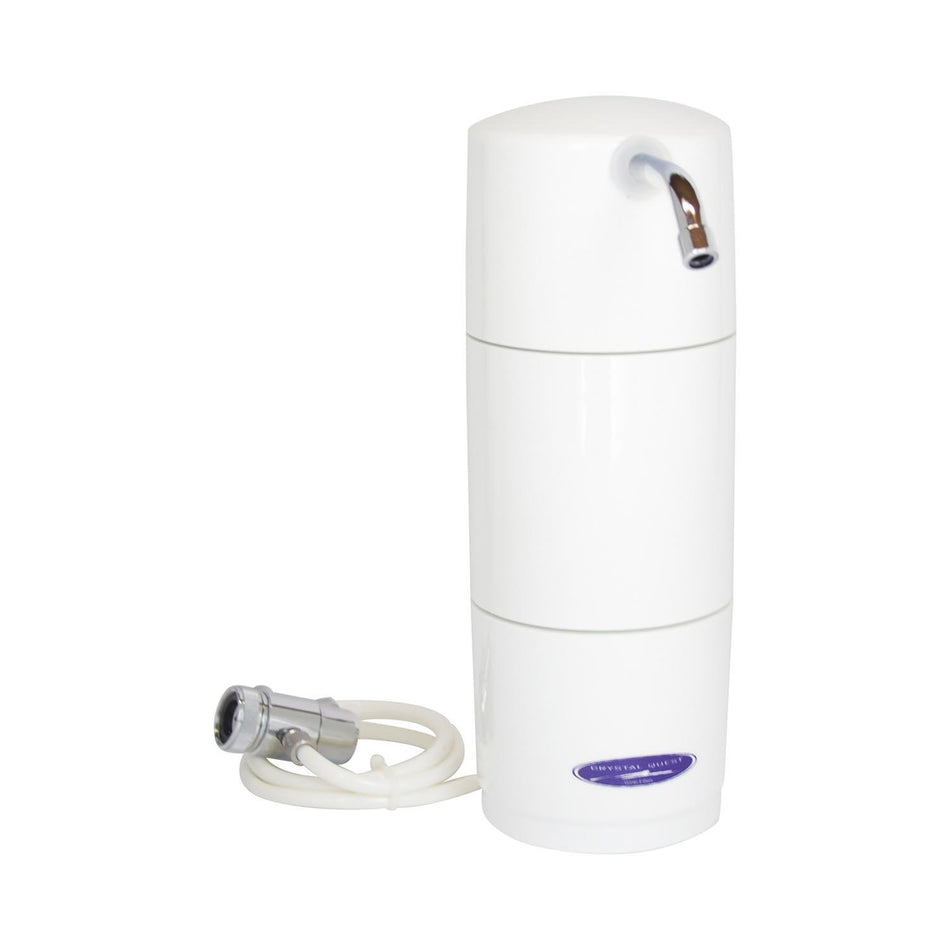
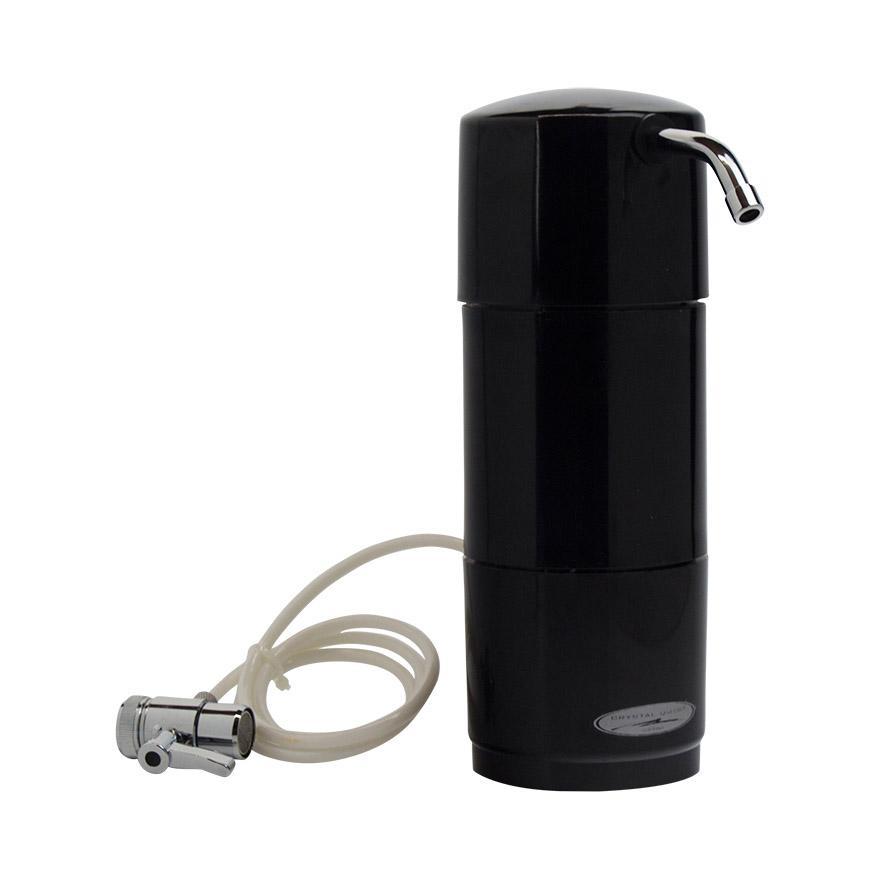
Now you can start your day with
fresher, cleaner water from your tap,
filtered by the
CRYSTAL QUEST®
system. No
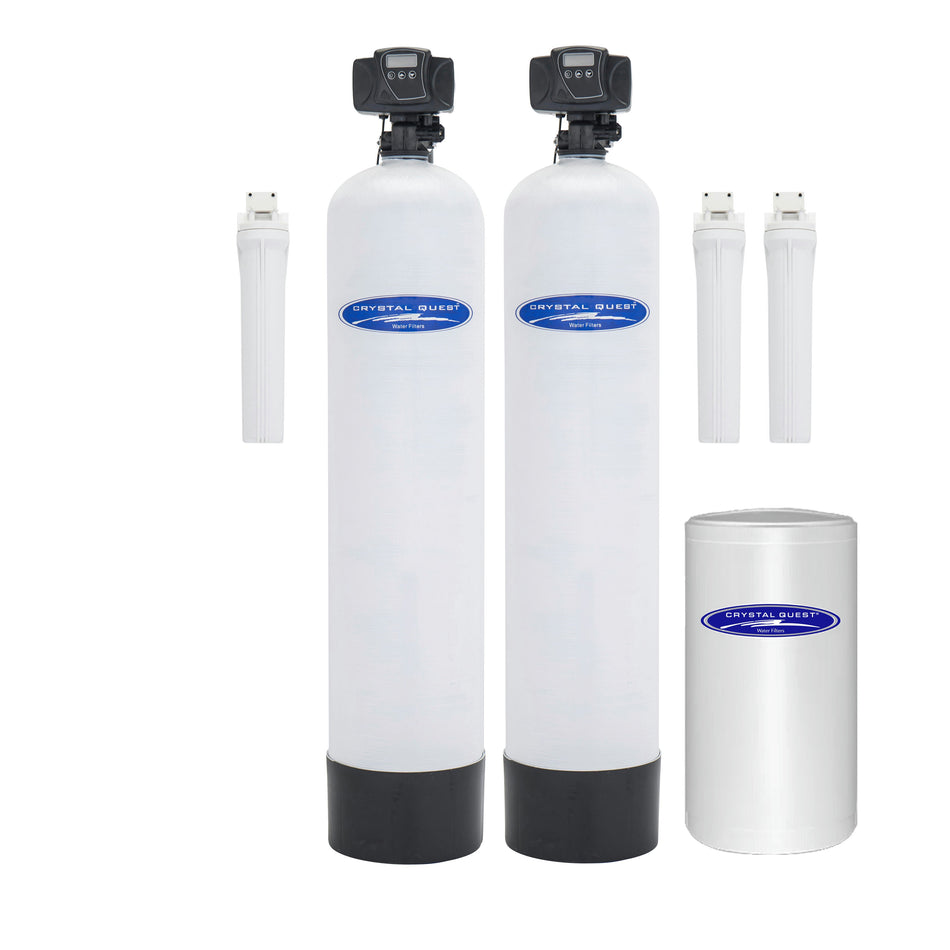
more hassles with bottled water!
It is like drinking water from a mountain
stream right in your kitchen. No
chlorine taste! No unpleasant odors! Just
clean refreshing water for your drinking
pleasure, coffee, tea and cooking. |
|
|
|
|
|
|
|
|
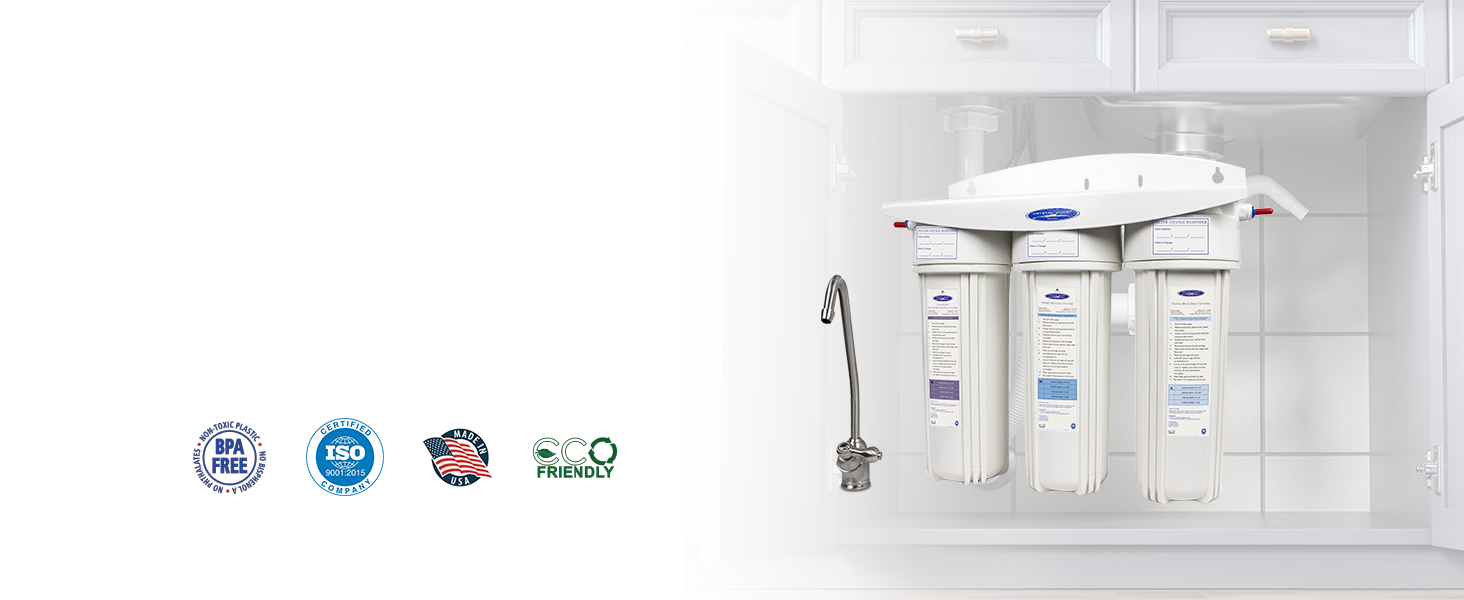
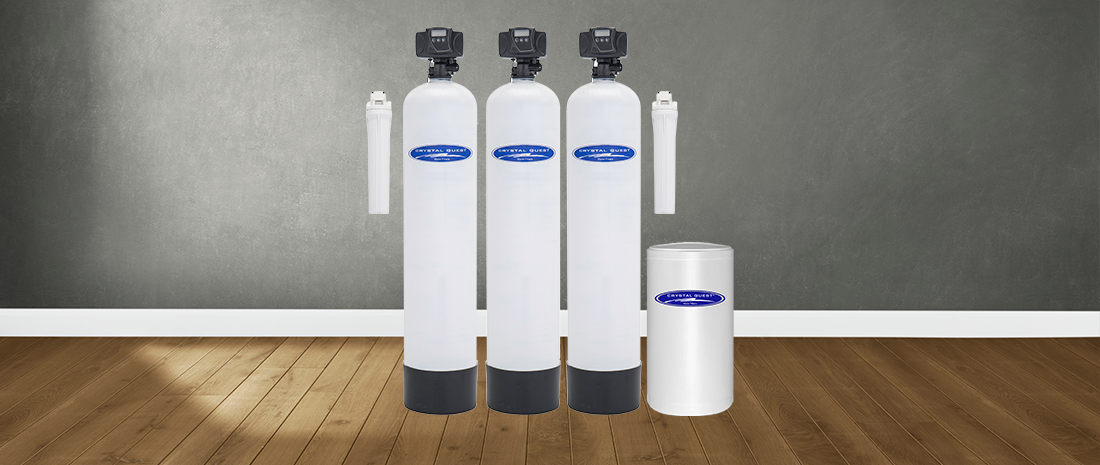
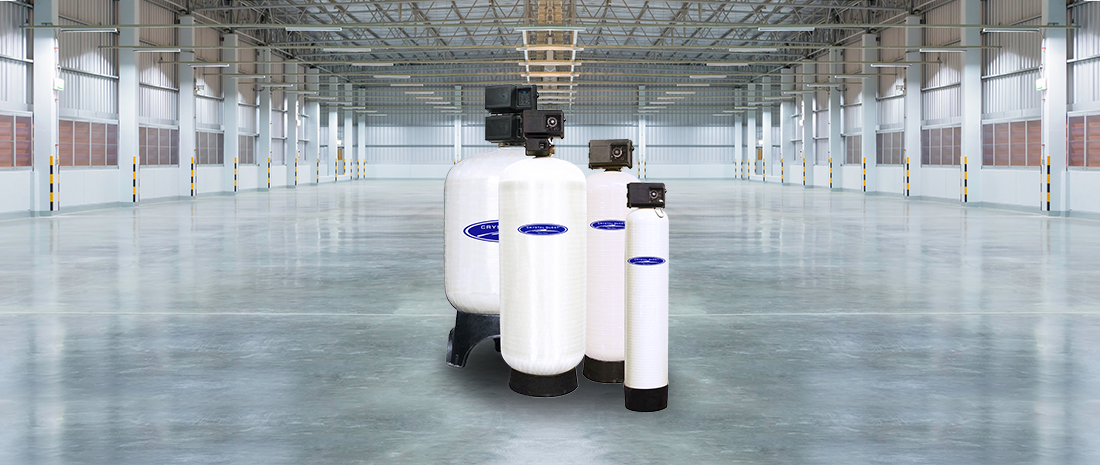
CRYSTAL QUEST
® Utilizing the latest
technologies in water industry,
coupled with 30 years of
manufacturing expertise, we
provide you with the most
effective, healthy,
great-tasting water conveniently at the most
affordable price. Our products
are
attractive, easy to install
and use
and removes more than 500
contaminants from water.
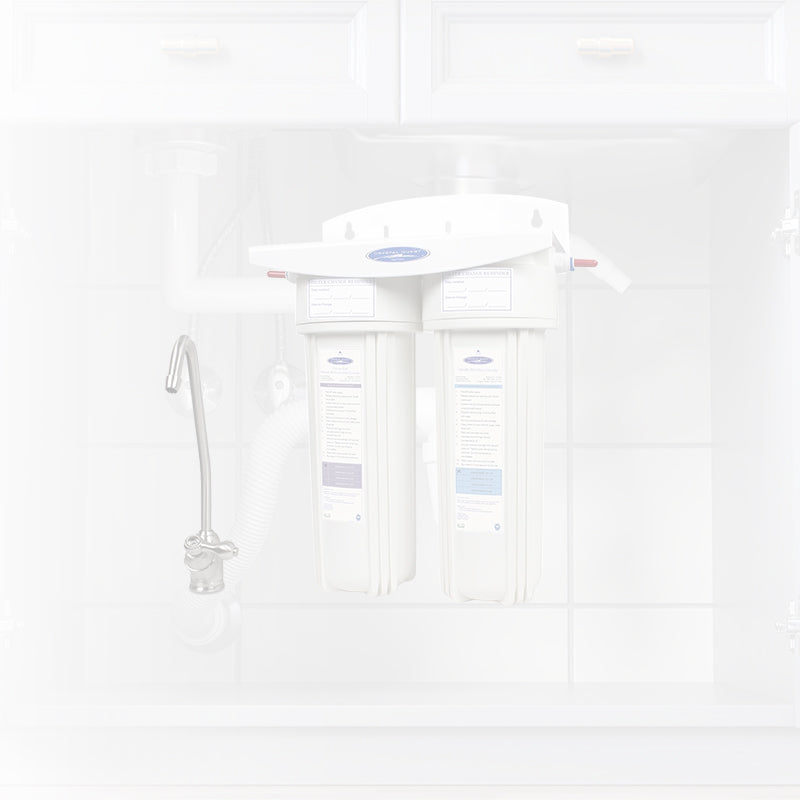
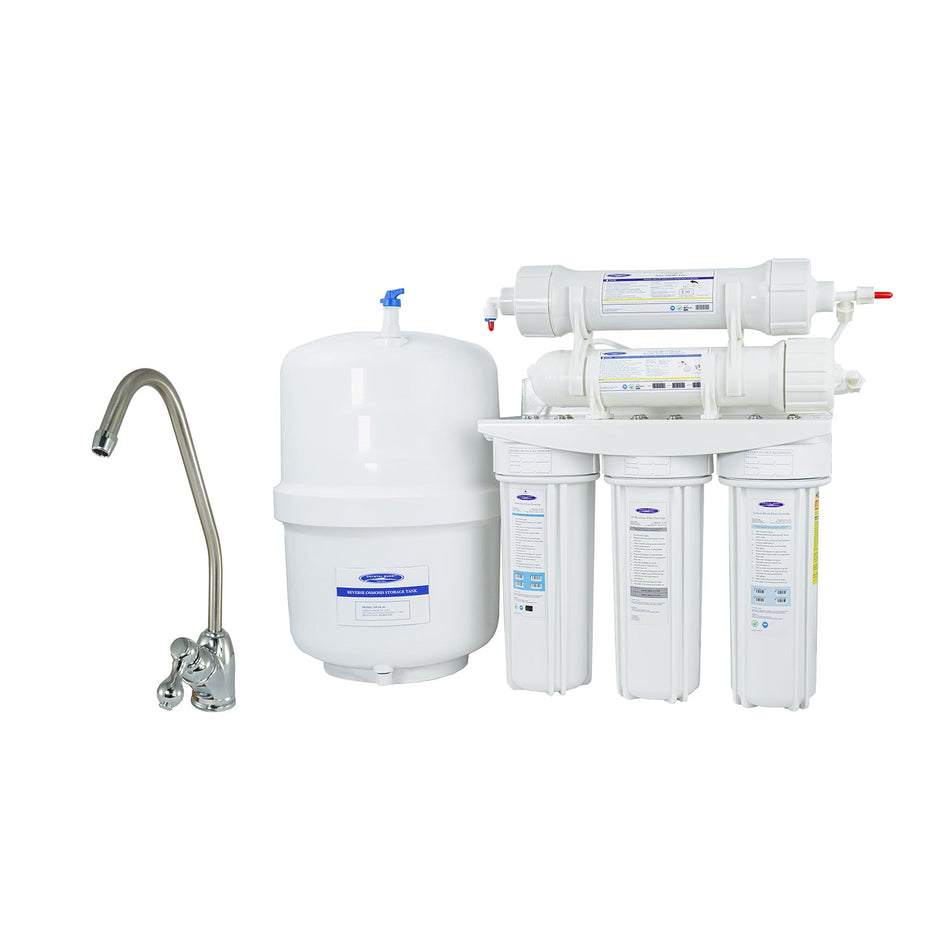
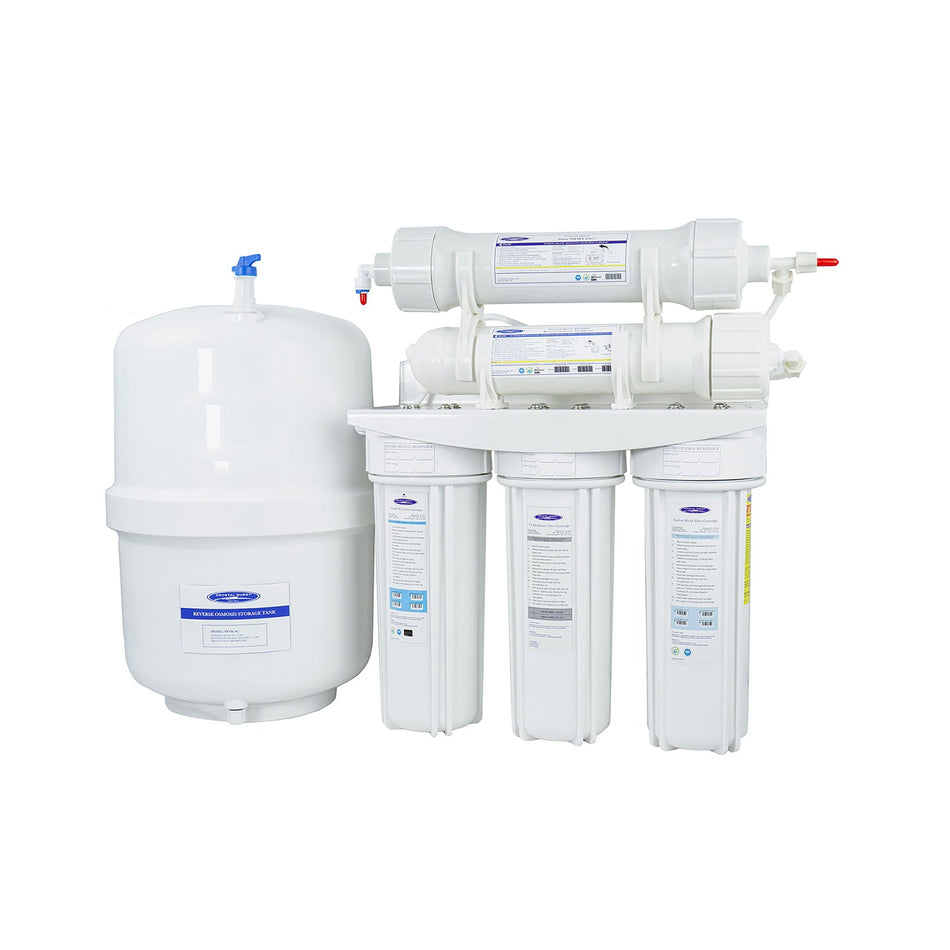
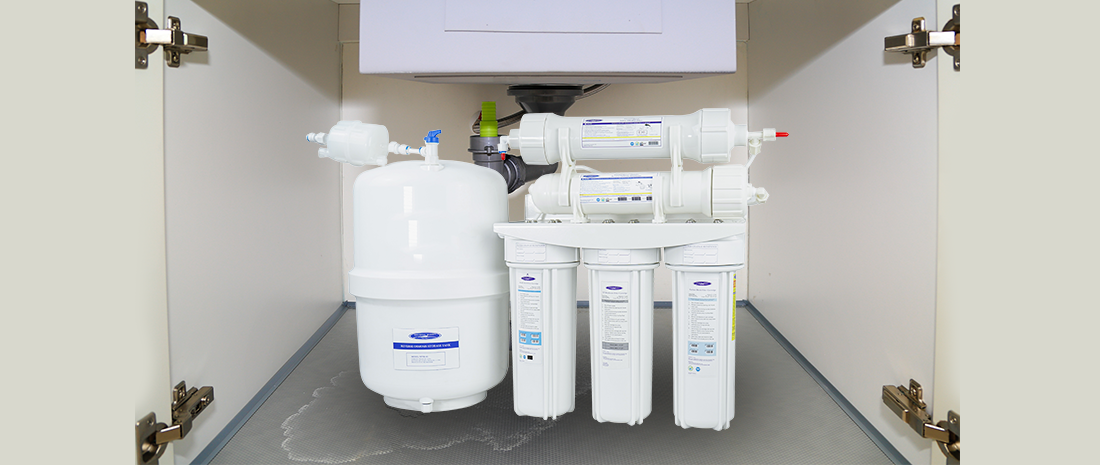
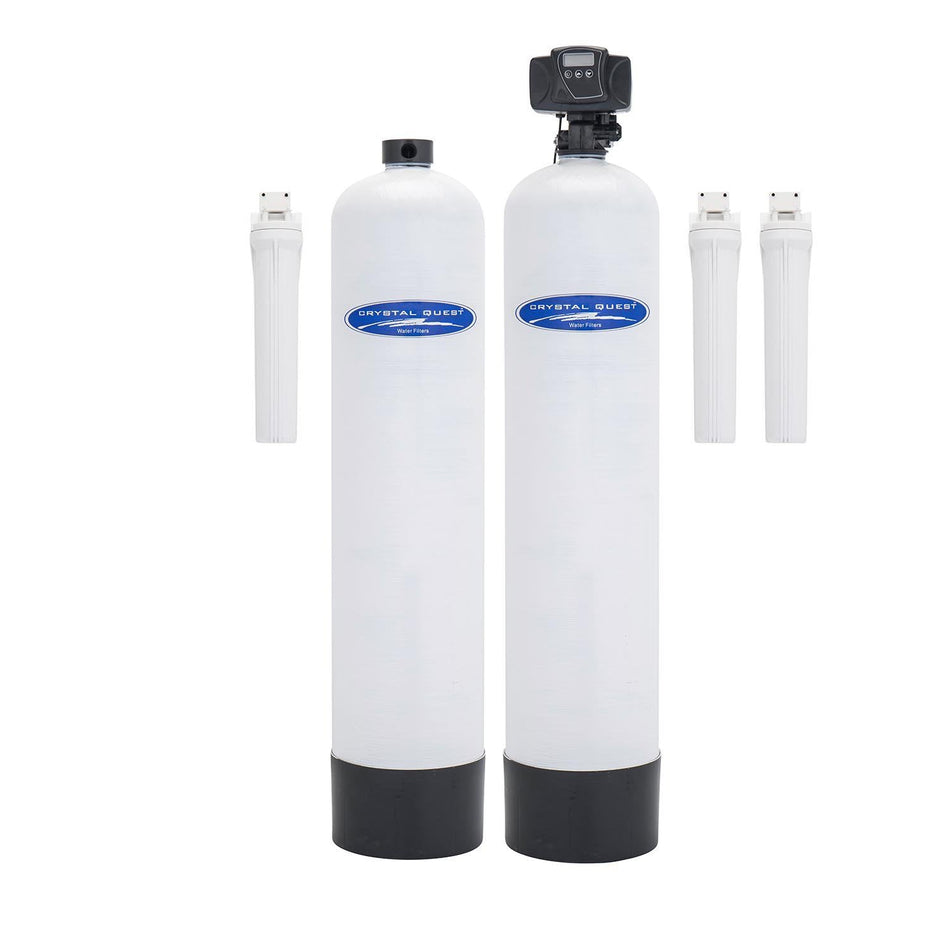
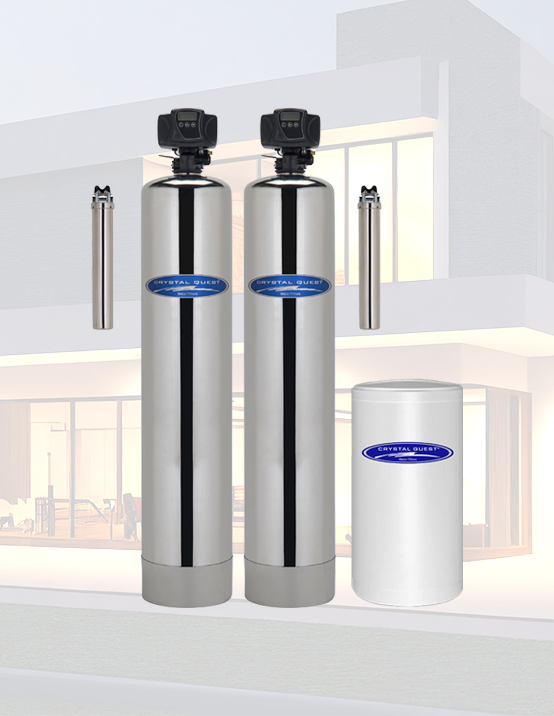
Water travels through multiple
stages of filtration:
|
|
|
|
In stage 1,
water flows through pre one -
micron filter pads (1 micron
equals 1/25,000th of an inch),
which remove suspended
particles such as silt,
sediment, cyst (Giardia,
Cryptosporidium), sand, rust,
dirt, and other un-dissolved
matter.
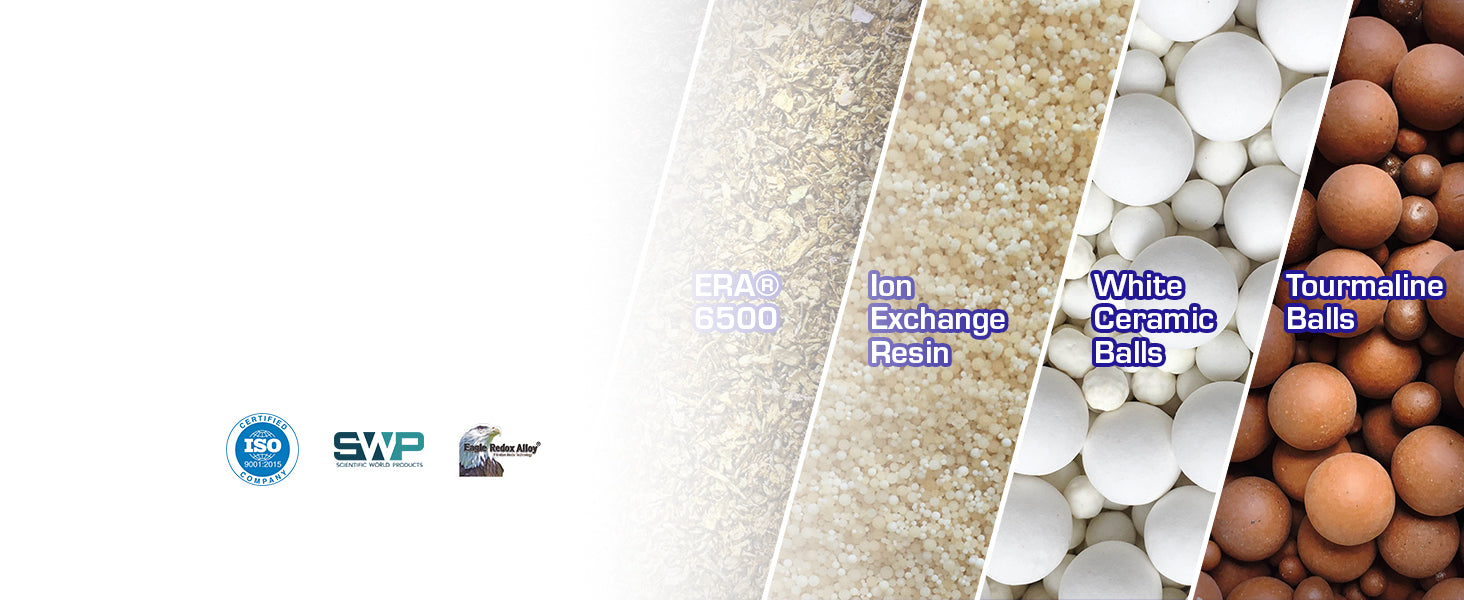
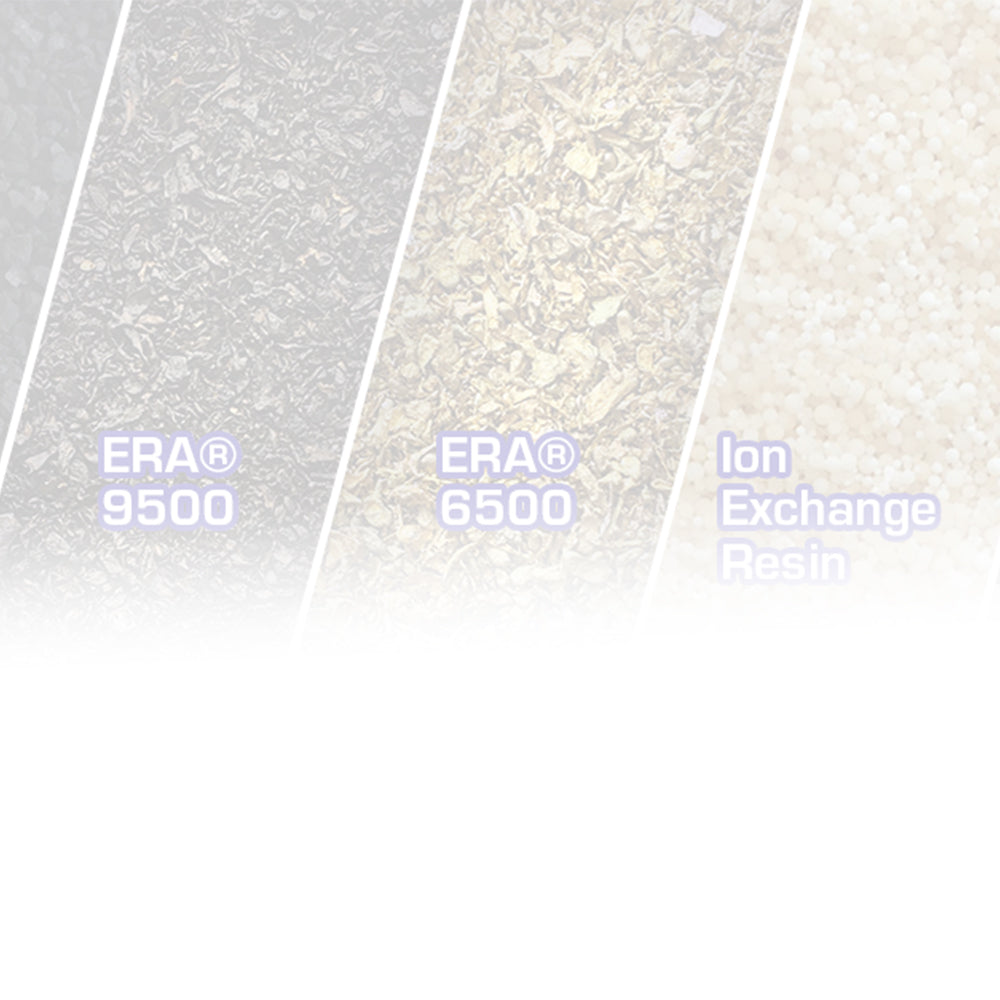
In stages 2 and 3,
water flows through a bed of
media made of a special
high-purity alloy blend of two
dissimilar metals - copper and
zinc (KDF-55D ®, and KDF-85D
®). KDF is a major
advancement in water treatment
technology that works on the
electro-chemical and
spontaneous-oxidation-reduction
(REDOX) principles. Chlorine
is instantaneously and almost
inexhaustibly oxidized.
Tests on KDF/GAC cartridge
have shown 99+% chlorine
removal past 20,000 gallons of
water. In comparison, carbon
cartridges of comparable
volumes drop below 90%
effectiveness after only 4,000
gallons.
Click here to learn more
Iron and hydrogen sulfide are
oxidized into insoluble matter
and attach to the surface of
the media. Heavy metals such
as lead, mercury, copper,
nickel, chromium,
cadmium, aluminum, and
other dissolved metals are
removed from the water by the
electrochemical process. They
are attracted to the surface
of the media, much like a
magnet. The media inhibits
bacterial growth throughout
the entire unit. In fact, it
has been shown to be reduced
up to 90%, eliminating the
need for silver, which is
commonly used in carbon-only
filters (silver is considered
a pesticide by the EPA and, as
such, must be registered with
them).
Is copper or zinc added to the
water in any significant
amount? On 2.3 ppm chlorinated
water, <0.05 mg/l copper and
only 0.46 mg/l zinc were
measured. The EPA aesthetic
levels are 1.0 mg/l for copper
and 5.0 mg/l for zinc. Both
zinc and copper are essential
minerals for good health - the
FDA recommends a daily intake
of 15 mg of zinc and 2 mg of
copper.
Click here to learn more about
KDF
In stage 4,
water
flows through the ion exchange
resin, reducing heavy metals
such as lead, copper,
aluminum, and water hardness.
In stage 5,
water flows through granulated
activated carbon (GAC). GAC is
universally recognized and
widely used as an effective
adsorbent for a wide variety
of organic contaminants, such
as
chlorine (99.9%), chemicals
linked to cancer (THM's,
benzine) pesticides,
herbicides, insecticides,
volatile organic compounds (VOC's),
PCB's, MTBE's and hundreds of
other chemical contaminants
that may be present in water,
bad taste, and odors from your
drinking water.
Carbon is extremely porous and
provides a large surface area
for contaminants to collect.
Carbon-only filters must also
use their capacity for
chlorine removal, resulting in
a shortened life. They also
may use a bituminous coal
carbon, which is good at
removing chlorine, but not as
effective at removing
chemicals. We use a high-grade
coconut shell carbon that is
most effective at removing
chemicals. Coconut shell
carbon provides a
significantly higher volume of
micro-pores than either coal,
wood or lignite based carbon.
As a result, it is more
effective than other carbon
types in removing
trihalomethanes (THM's) and
other chemicals from
municipally supplied water.
Since our REDOX media removes
the chlorine before it reaches
the carbon, the carbon
capacity is not wasted on
chlorine and is free to
concentrate more effectively
on organic contaminants.
Click here to learn more about
GAC
In stage 6,
water
flows through another one-micron
filtration pad for further
reduction of undesirable
particles. The end result is a
great reduction or
elimination
of a wide variety of
contaminants.
|
|
|
|
|
|
|
|
|
|