

Why Your Tap Water Might Be Hurting Your Houseplants
You follow every care guide. Right light, right soil, right watering schedule. But your calathea's leaves keep browning at the tips, and your dracaena looks worse every month.
The problem might not be your plant care skills. It might be what's coming out of your tap.
Carbon-filtered water is the best water for indoor plants in most homes. It removes the chlorine, chloramine, and heavy metals that stress plant roots while keeping the calcium and magnesium your plants actually need. Straight tap water carries treatment chemicals into your potting soil with every watering, and sensitive species show the damage as brown leaf tips, slowed growth, and dull foliage.
According to the EPA's drinking water program, public water systems add disinfectants like chlorine and chloramine to kill harmful bacteria. That's great for your family. Your plants didn't sign up for the treatment, though. They absorb those chemicals through their roots, and some species are far more sensitive than others.
5 Tap Water Chemicals That Stress Your Plants
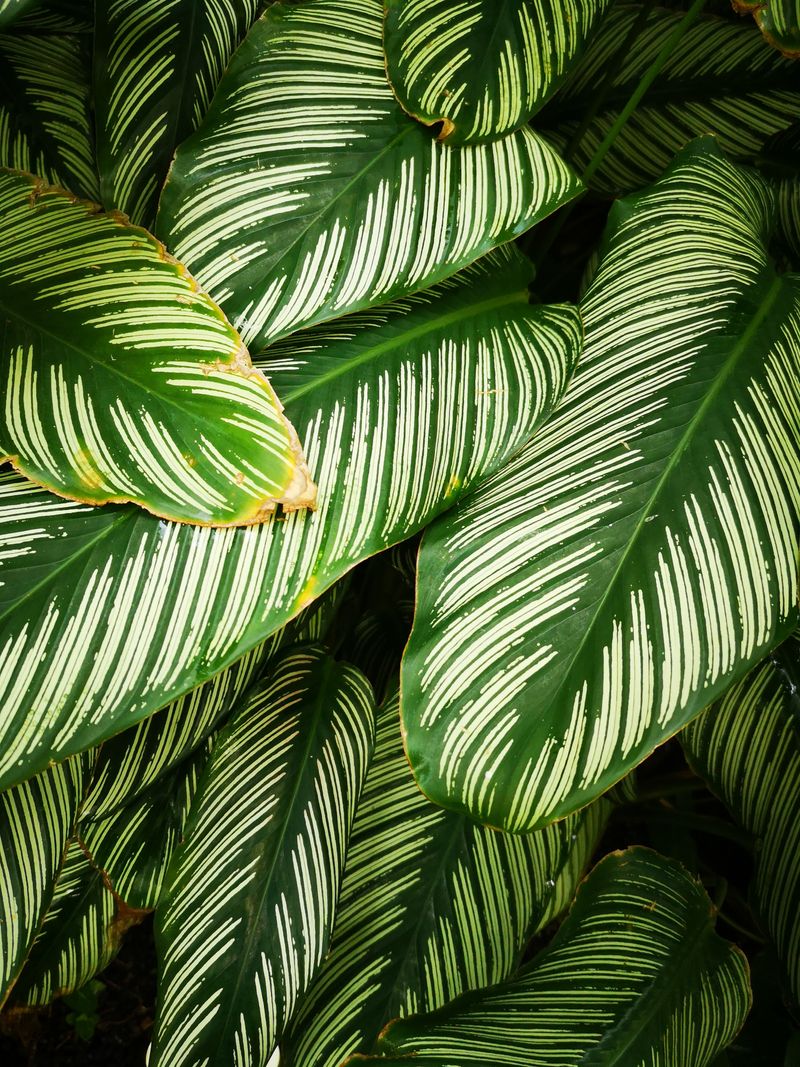
Your tap water can contain dozens of contaminants. These five matter most for houseplants.
Chlorine
Chlorine is the most common disinfectant in US municipal water. It kills bacteria effectively, but it also disrupts the beneficial microbes in your plant's soil, the organisms that help roots absorb nutrients.
In sensitive plants, chlorine causes leaf margin burn (crispy brown edges) and can slow overall growth. The good news: chlorine is volatile, meaning it evaporates naturally. Letting tap water sit in an open container for 24 hours allows most of the chlorine to off-gas.
Chloramine
Here's the part most plant care guides miss. More than one in five Americans uses drinking water treated with chloramines, according to the EPA. Utilities like chloramine (a combination of chlorine and ammonia) because it keeps disinfecting as water travels through miles of pipe.
That staying power is exactly the problem for your plants. Chlorine is like a guest who leaves on their own by morning. Chloramine settles in until something physically removes it, and sitting water out overnight won't do it. Removing chloramine takes activated carbon or catalytic carbon filtration.
If you've been letting your watering can sit out overnight and your plants are still struggling, chloramine could be the reason.
Fluoride
In 2022, 72.3 percent of Americans served by community water systems received fluoridated water, per the CDC. Good for teeth. Not so good for certain houseplants.
Fluoride doesn't rinse away. It builds up in leaf tissue the way minerals build up in a kettle: invisibly at first, then visibly all at once. Michigan State University Extension identifies spider plants, dracaenas, and lilies among the most susceptible species, with the damage appearing as dead tissue at the tips and margins of leaves.
Standard carbon filters don't remove fluoride. You need specialty filter media like activated alumina or bone char, or a system specifically designed for fluoride removal.
Sodium
Sodium enters your water from natural sources, road salt runoff, or a home water softener. Even moderate sodium levels cause osmotic stress, making it harder for roots to absorb water and nutrients.
If you have a salt-based water softener, keep that water away from your plants. The ion exchange process swaps out calcium and magnesium for sodium, and Penn State horticulturists warn that the sodium accumulates in potting soil, harms plants, and breaks down soil structure over time. Softened water has real benefits for laundry, cleaning, and skin. Plant care is not one of them.
Heavy Metals (Lead and Copper)
Lead and copper often enter your water from aging pipes and plumbing fixtures, not from the treatment plant itself. These metals accumulate in your potting soil with every watering.
Over time, heavy metal buildup affects root development and stunts plant growth. The damage is gradual, often building over months, and is frequently mistaken for under-fertilizing or poor soil drainage.
A home water test kit identifies exactly which contaminants you're dealing with, so you know what to filter before spending money on a solution.
What Type of Water Is Best for Indoor Plants?
Filtered water through an activated carbon filter is the best all-around choice for most indoor plants. It removes harmful chemicals like chlorine, chloramine, and heavy metals while keeping beneficial minerals (calcium and magnesium) that support healthy plant growth.
If you've searched for whether purified water is good for plants, the answer depends entirely on the purification method. Here's how every common water type compares:
| Water Type | Chlorine Removed? | Fluoride Removed? | Minerals Present? | pH Range | Best For |
|---|---|---|---|---|---|
| Tap (untreated) | No | No | Yes | 6.5-8.5 | Hardy plants only (pothos, snake plant, ZZ) |
| Filtered (carbon) | Yes | No (standard) | Yes | 6.5-8.5 | Most houseplants, best overall balance |
| Filtered + fluoride media | Yes | Yes | Yes | 6.5-7.5 | Fluoride-sensitive species (calatheas, dracaenas) |
| Reverse osmosis (RO) | Yes | Yes | No | 5.0-7.0 | Orchids, carnivorous plants, air plants |
| Distilled | Yes | Yes | No | 5.5-7.0 | Very specific applications only |
| Rainwater | N/A | N/A | Minimal | 5.0-5.5 | All plants, ideal but impractical year-round |
| Softened | No | No | Sodium added | 7.0-8.5 | Never use for plants |
Reverse osmosis and distilled water remove virtually everything, including the calcium and magnesium your plants actually need. You can compare RO to a screen door at the molecular level: only water molecules fit through, so both harmful and helpful minerals get left behind. If you use RO or distilled water regularly, add diluted fertilizer to replace those missing minerals.
Rainwater is naturally ideal. It's soft, slightly acidic, and free of added chemicals. But collecting enough for consistent indoor watering isn't practical for most people, especially through winter. Softened water is the one type you should never use. The sodium from the softening process damages roots and degrades soil structure over time.
Is Filtered Water Good for Plants?
Yes. Carbon-filtered water is one of the best choices you can make for your houseplants. It removes chlorine, chloramine, heavy metals, and volatile organic compounds (VOCs) while retaining the beneficial minerals your plants depend on.
Activated carbon works like a sponge that attracts and holds chemical contaminants as water flows past. The minerals your plants need (calcium, magnesium, potassium) pass right through, because they're naturally occurring and aren't targeted by the carbon media.
Not all filters work the same way, though. A basic single-stage pitcher filter removes chlorine and improves taste, but it won't address fluoride or heavy metals. A multi-stage filter combines different media types into a small assembly line: one stage catches sediment, the next grabs chemical contaminants, and another targets specific concerns like lead or fluoride.
If fluoride is your main concern, and your collection includes dracaenas, calatheas, or spider plants, look for a filter with dedicated fluoride removal media such as activated alumina or bone char. Standard carbon alone won't remove it.
For most plant owners on municipal water, a quality multi-stage filtration system handles the biggest threats and delivers filtered water your collection will thrive on.
Which Plants Are Most Sensitive to Water Quality?
Not every plant needs filtered water. Here's a quick guide based on each species' sensitivity to common tap water chemicals, especially fluoride and chlorine.
| Sensitivity | Plants | What to Use |
|---|---|---|
| Very Sensitive (filtered water strongly recommended) | Calathea, Dracaena, Spider Plant, Peace Lily, Ti Plant, Prayer Plant | Filtered water with fluoride removal media |
| Moderately Sensitive (filtered or rain water preferred) | Orchids, Ferns, Bromeliads, African Violets | Filtered, RO, or collected rainwater |
| Tolerant (tap water usually fine) | Pothos, Snake Plant, ZZ Plant, Philodendron, most Succulents | Tap water is typically okay |
Even tolerant plants benefit from filtered water over the long term. They just won't show visible damage from tap water the way a calathea will. If you keep a collection of tropical houseplants, filtered water is a simple upgrade that prevents the slow buildup of chlorine, fluoride, and mineral deposits in your soil over months and years of regular watering.
How to Choose the Right Water Filter for Your Plants
Start by finding out what is in your water. A home water test tells you whether you are dealing with chlorine, chloramine, fluoride, heavy metals, hardness, or something else. Once you know that, the filter choice gets simpler.
-
Chlorine, chloramine, and metals: use a multi-stage pitcher or countertop filter.
This is the easiest fit for most houseplant owners. It improves the water you use for drinking and gives plants a cleaner source without stripping every mineral out.
-
Fluoride-sensitive plants: add fluoride-removal media.
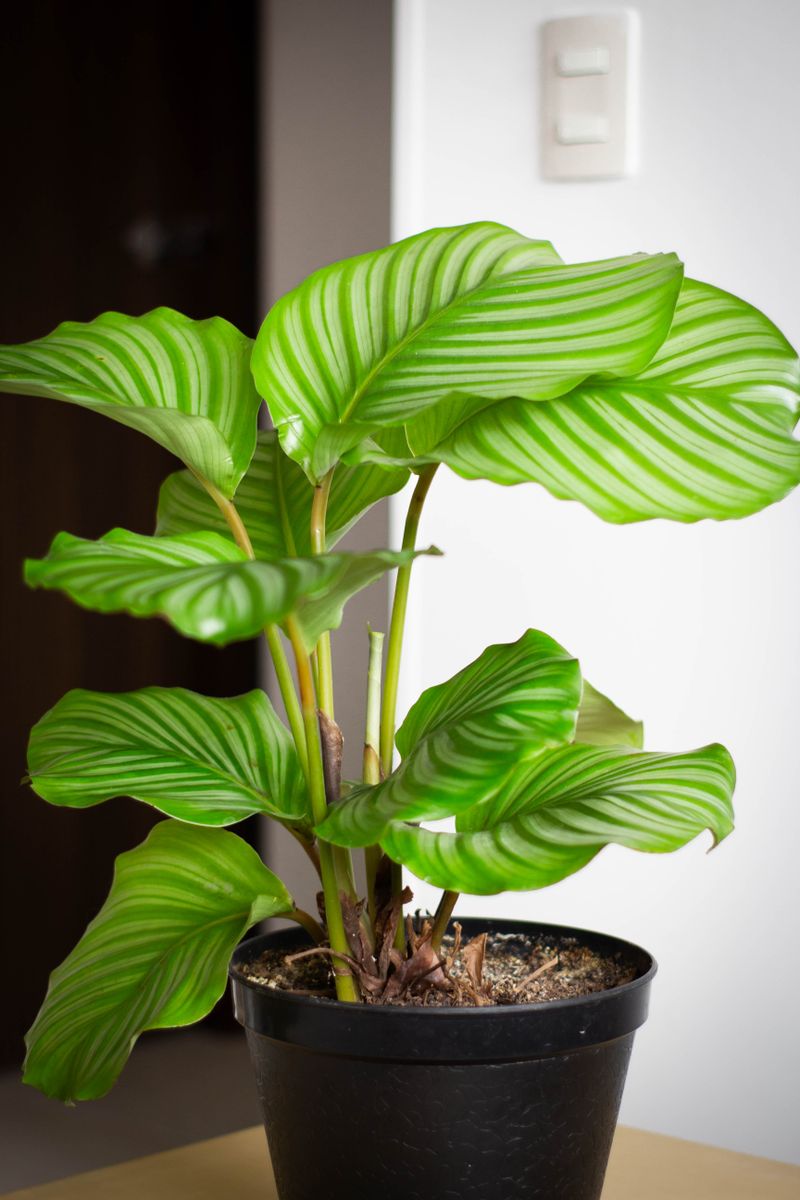
If calatheas, dracaenas, spider plants, or peace lilies keep showing brown tips despite good care, fluoride may be part of the problem. Standard carbon alone is not enough for that job.
-
Large plant collections: consider countertop or whole-house capacity.
If you fill multiple watering cans every week, a larger countertop filter or whole-house filter can be more practical than refilling a pitcher all day.
For most homes, the practical answer is simple: filter the water you already use, keep some minerals in it, and reserve distilled or RO water for plants that specifically prefer very low-mineral water.
Quick Tips for Healthier Plant Water
These simple habits make a real difference, no matter what water source you use:
- Let tap water sit for 24 hours to off-gas chlorine. But understand the limits: this does NOT remove chloramine, fluoride, or heavy metals. It's a partial fix at best.
- Always use room-temperature water. Cold water shocks roots and slows nutrient absorption. Fill your watering can ahead of time and let it warm up.
- Water in the morning when plants are actively taking in moisture and nutrients. Evening watering can increase the risk of root rot in some species.
- Never use softened water on plants. The sodium damages roots and degrades soil structure over time.
- Collect rainwater when you can. It's naturally soft, slightly acidic, and free of added chemicals. Even a small rain barrel makes a difference during the growing season.
- If you use RO or distilled water, add diluted fertilizer occasionally to replace the minerals that were removed. Your plants still need calcium and magnesium to thrive.
Well water skips municipal treatment, but it can contain naturally occurring iron, manganese, and heavy metals that build up in your soil over time. A home water test tells you exactly what you're working with before you water your plants with it.

The Simplest Upgrade for Healthier Plants
Cleaner plant water does not have to become a complicated project. If your plants are mostly hardy varieties, tap water may be fine. If you keep sensitive tropicals or see chronic brown tips, filtered water is a low-effort upgrade worth trying.
- Start with the plant. Match the water to the species. Calatheas and dracaenas need more caution than pothos or snake plants.
- Start with the water. A water test shows whether fluoride, hardness, metals, or disinfectants are part of the issue.
- Use the lightest fix that solves the problem. For many homes, a multi-stage water filter pitcher is enough. Bigger systems make sense when you want filtered water for the whole household, not only the plants.
Make Plant Water Easier
Start with a simple pitcher or test your water first if you are not sure what your plants are reacting to.
Frequently Asked Questions About Water for Indoor Plants
Is pitcher-filtered water good for plants?
Yes. Pitcher-filtered water is usually better than straight tap water for houseplants because it reduces chlorine taste and, in multi-stage filters, can reduce chloramine, metals, and other contaminants while leaving useful minerals behind.
Is purified water good for plants?
It depends on the method. Carbon-filtered water is best for most houseplants because it removes common stressors while keeping minerals. Distilled and reverse osmosis water are useful for certain sensitive plants, but they may need light fertilizing because they are low in minerals.
Can I use filtered water for calathea?
Yes. Calatheas are sensitive to fluoride and salts, so filtered water is often a good move. If leaf tips keep browning, use a filter that specifically targets fluoride or try collected rainwater when it is available.
Does letting tap water sit out make it safe for plants?
Only partly. Letting water sit can reduce free chlorine, but it does not remove chloramine, fluoride, sodium, or heavy metals. If your utility uses chloramine, sitting water out will not solve the problem.
Is reverse osmosis water good for plants?
Reverse osmosis water can work, especially for orchids, carnivorous plants, and very sensitive species. For everyday houseplants, it may be more stripped down than necessary, so carbon-filtered water is usually the better balance.
What type of water filter is best for plant water?
A multi-stage carbon filter is the best all-purpose option for most homes. It reduces chlorine, chloramine, and some metals while keeping calcium and magnesium in the water. Add fluoride-removal media if you keep fluoride-sensitive species.


