
Hard Water 101: Causes, Effects & Fixes - A Complete Breakdown
Discover exactly what hard water is, how it forms, why it hurts your plumbing, skin and wallet.
Read ArticleEnter your zip code to instantly see your local water hardness level in GPG and PPM, plus get personalized treatment recommendations.
Finding water hardness data...
--
Based on your water hardness level...
Find your local water hardness level in seconds using our interactive map. No account required.
Type your 5-digit zip code into the search box above, or click "Use My Location" to automatically detect your area using GPS.
Instantly see your local water hardness in GPG and PPM, plus a color-coded classification showing if your water is soft, moderate, hard, or very hard.
Based on your hardness level, we'll recommend the right water treatment options—from water softeners to salt-free conditioners—sized for you.
Some areas have extremely hard water that can cause significant scale buildup and appliance damage. Here are the regions with the highest water hardness levels.
Water hardness above 180 PPM (10.5 GPG) is considered "very hard" and treatment is strongly recommended. Find the right water softener for your home.
Water hardness is measured in grains per gallon (GPG) or parts per million (PPM). Here's how to interpret your results and what they mean for your home.
| GPG | PPM (mg/L) | Classification | Treatment? |
|---|---|---|---|
| 0 - 1 | 0 - 17 | Soft | No |
| 1 - 3.5 | 17 - 60 | Slightly Hard | Optional |
| 3.5 - 7 | 60 - 120 | Moderately Hard | Recommended |
| 7 - 10.5 | 120 - 180 | Hard | Yes |
| 10.5 - 15 | 180 - 257 | Very Hard | Yes |
| 15+ | 257+ | Extremely Hard | Essential |
Hard water affects 85% of American homes. Recognize any of these signs of hard water? These problems indicate mineral buildup is damaging your home, appliances, and quality of life.


Understanding your water hardness level helps you make informed decisions about water treatment for your home.
Our map shows regional averages: Water hardness can vary within the same zip code depending on your water source, whether you're on city water or a private well, and seasonal changes.
For precise results: We recommend testing your water directly, especially if you're on well water or planning to purchase a water treatment system.
Above 7 GPG (120 PPM): Water is considered "hard" and will likely cause noticeable scale buildup, dry skin, and reduced soap lathering. A water softener is recommended.
Above 10 GPG (180 PPM): Water is "very hard" and can significantly reduce appliance lifespan, clog pipes, and increase energy bills. Treatment is strongly advised.
Everything you need to know about water hardness and what it means for your home.
Water hardness refers to the concentration of dissolved minerals—primarily calcium and magnesium—in your water. These minerals are picked up as water travels through soil and rock. Hardness is measured in grains per gallon (GPG) or parts per million (PPM). For a deeper understanding, read our complete guide to hard water.
Hard water is caused by groundwater dissolving calcium and magnesium from limestone, chalk, and other mineral deposits as it flows through the earth. Geographic regions with more limestone bedrock tend to have harder water. Learn more about what causes hard water and why it varies by location.
Yes, hard water is safe to drink and may even provide beneficial minerals like calcium and magnesium. However, hard water causes problems with scale buildup, dry skin, spotty dishes, and reduced appliance efficiency—which is why many people choose to treat it.
You can test water hardness using a home test kit, by checking your municipal water quality report (for city water), or by having a professional lab analysis done. Our map provides regional averages, but testing gives you exact results for your specific water supply. See our guide on how to test water hardness for step-by-step instructions.
GPG (grains per gallon) and PPM (parts per million) are both units for measuring water hardness. To convert PPM to GPG, divide by 17.1. For example, 171 PPM equals 10 GPG. Water treatment equipment typically uses GPG for sizing. For quick and simple conversions, use our conversion calculator and save yourself time on the math.
Water above 7 GPG (120 PPM) is considered hard and will benefit from a water softener. Water above 10.5 GPG (180 PPM) is very hard, and treatment is strongly recommended to protect plumbing and appliances.

The ultimate hard water solution combining ion-exchange softening with multi-stage filtration for soft, clean, great-tasting water from every tap.
Now that you know your water hardness level, take the next step. Browse our selection of water softeners and whole house filters, or use our sizing calculator to find the perfect system for your home.
Explore our guides and resources to understand water hardness, treatment options, and how to choose the right solution for your home.
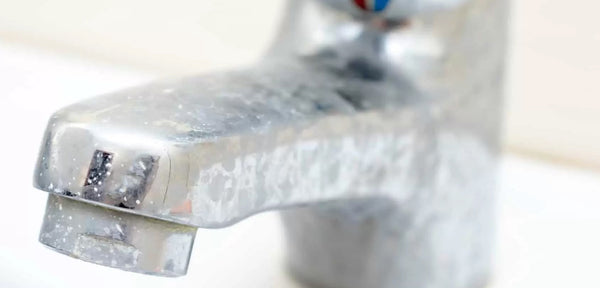
Discover exactly what hard water is, how it forms, why it hurts your plumbing, skin and wallet.
Read Article
That white scale on your faucet starts underground. Here's why your water is hard, what it costs you, and how to stop...
Read Article
Four easy ways to test your water hardness at home, from 30-second test strips to free city water reports. Learn what...
Read Article